

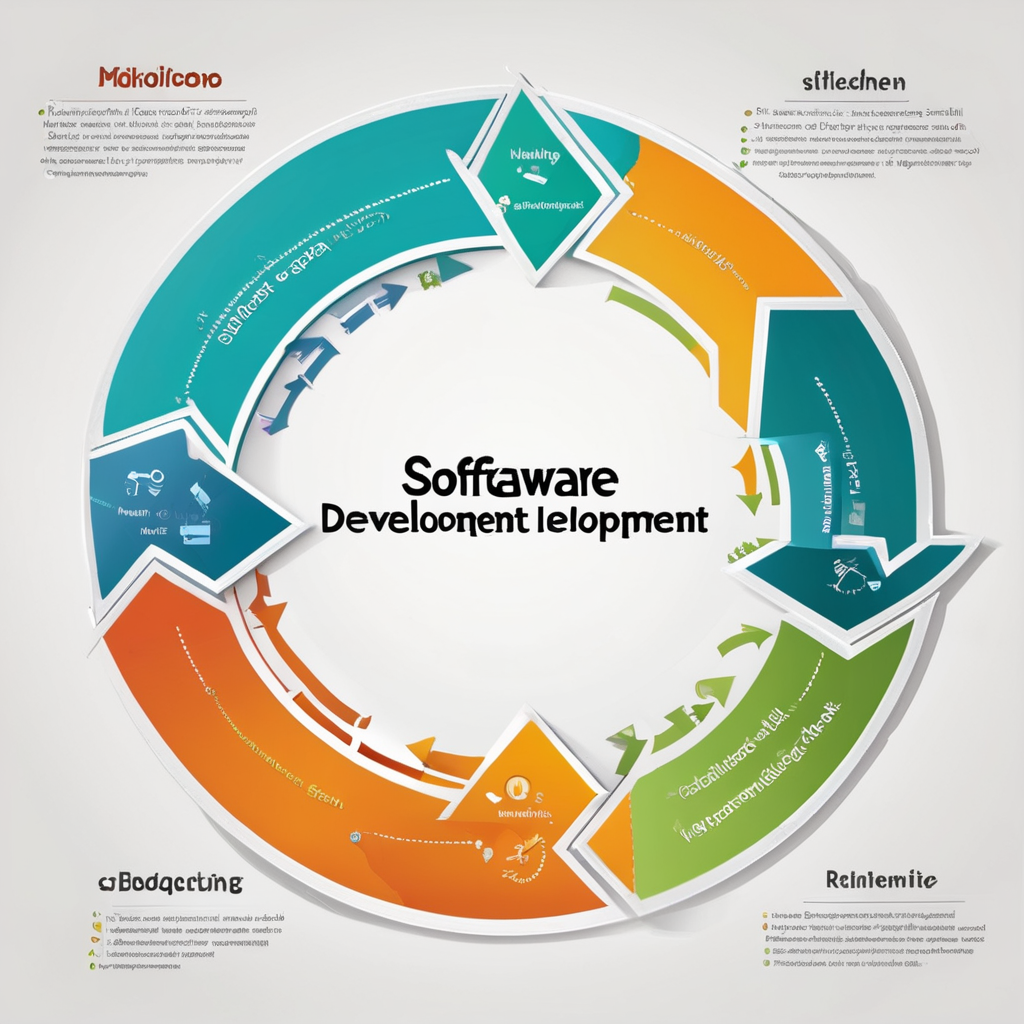
Software Development Life Cycle (SDLC) is a structured process that outlines the steps involved in developing software. It encompasses planning, creating, testing, and deploying software applications. Understanding the SDLC is crucial for software developers, project managers, and stakeholders to ensure successful and efficient software development projects.
The first phase of the SDLC is the Planning stage. During this stage, project requirements are gathered, feasibility studies are conducted, and project scope is defined. It is essential to have a clear understanding of the project goals, timeline, and budget constraints at this stage to lay a solid foundation for the development process.
Following the Planning stage is the Analysis stage, where detailed requirements are documented and analyzed. This phase involves gathering input from stakeholders, end-users, and subject matter experts to ensure that all functional and non-functional requirements are captured accurately. Clear communication and collaboration are key during the Analysis stage to avoid misunderstandings and scope creep later in the project.
Once the requirements are defined, the Design phase begins. In this stage, the system architecture, database design, user interface, and other technical specifications are created. Designing software involves translating the requirements gathered in the previous stages into a blueprint that developers can follow to build the application effectively.
After the Design phase comes the Development phase, where the actual coding and programming of the software are carried out. Developers write code based on the design specifications to create the functionality outlined in the requirements. This phase requires collaboration between developers, testers, and other team members to ensure that the code meets quality standards and is scalable for future enhancements.
Testing is a critical phase in the SDLC, where the developed software is rigorously tested to identify and fix any defects or issues. Various types of testing, such as unit testing, integration testing, system testing, and user acceptance testing, are conducted to ensure that the software functions as intended and meets the specified requirements.
Once the software has been thoroughly tested and approved, it is ready for deployment in the Implementation phase. During this stage, the software is installed, configured, and released to end-users. Proper training and documentation are essential to ensure a smooth transition to the new software and minimize disruptions to business operations.
After the software is deployed, the Maintenance phase begins. In this phase, ongoing support, updates, and enhancements are provided to ensure the software continues to meet the needs of users and remains compatible with changing technologies. Maintenance is an essential part of the SDLC to address any issues that arise post-deployment and improve the overall performance of the software.
The final phase of the SDLC is the Review stage, where the project team evaluates the entire software development process to identify areas for improvement. Lessons learned from the project are documented, and feedback is gathered from stakeholders to inform future development projects. Continuous improvement is key to ensuring that each software development project is more successful than the last.
In conclusion, the Software Development Life Cycle is a systematic approach to developing software that ensures quality, efficiency, and stakeholder satisfaction. By following the phases of the SDLC – Planning, Analysis, Design, Development, Testing, Implementation, Maintenance, and Review – software development teams can deliver high-quality applications that meet the needs of end-users and achieve project goals. Understanding the SDLC and its importance in the software development process is essential for anyone involved in creating software applications.