

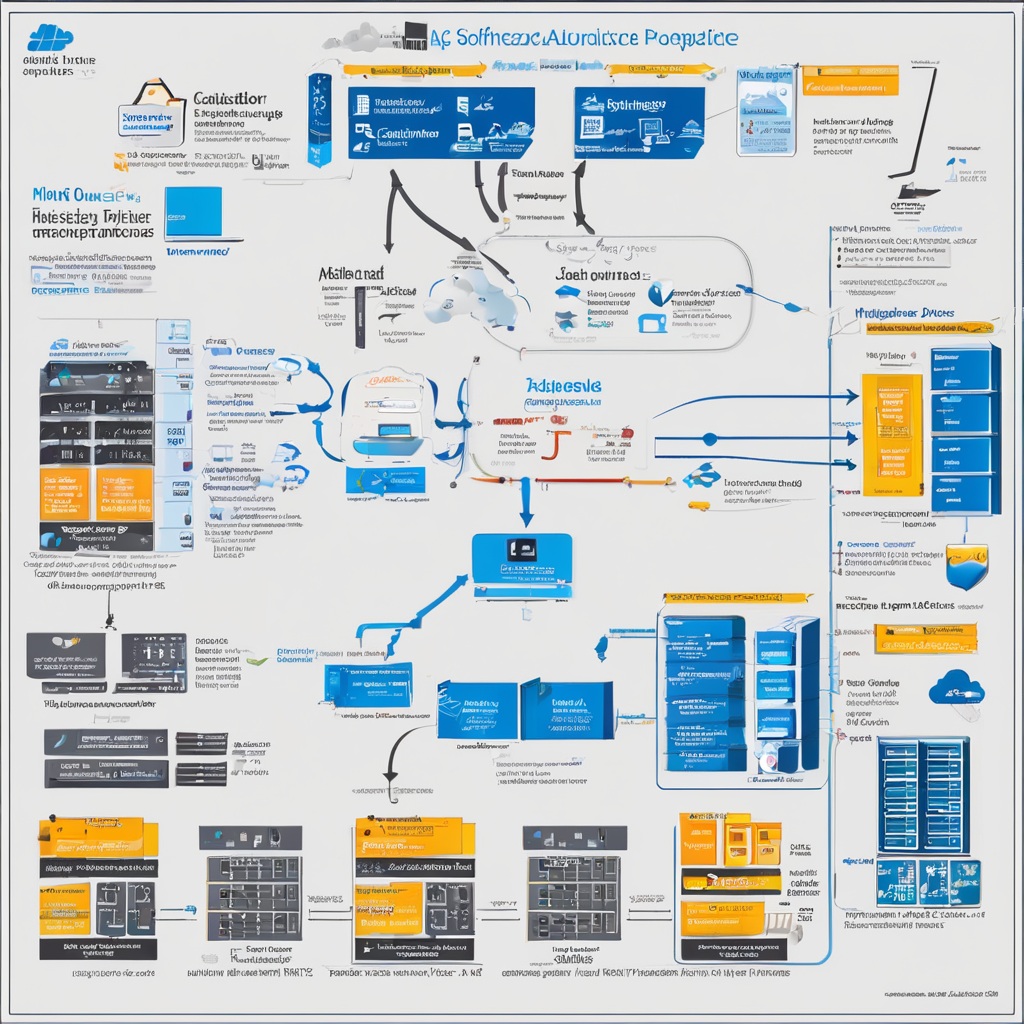
Microsoft Azure is a cloud computing service that offers a wide range of services to help businesses and individuals build, manage, and deploy applications on a global scale. Azure provides a secure and reliable platform for hosting websites, storing data, and running virtual machines. With its pay-as-you-go pricing model, Azure allows users to scale their resources up or down based on their needs, making it a cost-effective solution for businesses of all sizes.
One of the key features of Azure is its flexibility and scalability. Users can choose from a variety of services, including virtual machines, databases, storage, and networking resources, to build customized solutions that meet their specific requirements. Azure also offers a range of tools and services to help developers build and deploy applications quickly and easily, such as Azure DevOps and App Services.
Security is a top priority for Azure, with built-in security controls and compliance certifications to help protect data and applications from cyber threats. Azure’s advanced security features, such as encryption, threat detection, and identity management, ensure that data is kept safe and secure at all times. Additionally, Azure’s global network of data centers provides redundancy and disaster recovery capabilities to minimize downtime and ensure business continuity.
Azure AI services enable users to incorporate artificial intelligence and machine learning capabilities into their applications, allowing them to analyze data, make predictions, and automate tasks. Services such as Azure Cognitive Services and Azure Machine Learning make it easy for developers to add intelligent features to their apps without needing expertise in AI.
Azure IoT services allow users to connect, monitor, and manage internet-connected devices, enabling them to collect and analyze data from sensors and devices in real-time. With Azure IoT Hub and Azure IoT Central, users can build scalable and secure IoT solutions to drive business insights and improve operational efficiency.
Azure integrates seamlessly with other Microsoft products and services, such as Office 365, Dynamics 365, and Power BI, to provide a comprehensive and interconnected ecosystem for businesses. By leveraging Azure alongside these tools, organizations can streamline workflows, gain valuable insights from data, and improve collaboration and productivity across teams.
Microsoft Azure offers a range of data analytics services, such as Azure Synapse Analytics and Azure Data Lake, to help users process and analyze large volumes of data quickly and efficiently. These services enable businesses to gain valuable insights from their data, uncover trends and patterns, and make informed decisions to drive growth and innovation.
Azure’s hybrid cloud capabilities allow users to seamlessly connect their on-premises infrastructure with the cloud, enabling them to leverage the benefits of cloud computing while maintaining control over sensitive data and applications. Azure Arc extends Azure services to any infrastructure, whether it’s on-premises, in other clouds, or at the edge, providing a consistent and unified management experience.
Azure’s serverless computing platform, Azure Functions, enables users to run code without provisioning or managing servers, allowing them to focus on building and deploying applications without worrying about infrastructure. With Azure Functions, users pay only for the time their code runs, making it a cost-effective and efficient solution for running event-driven applications.
In conclusion, Microsoft Azure is a powerful and versatile cloud computing platform that offers a wide range of services and tools to help businesses and individuals build, deploy, and manage applications with ease. With its flexibility, scalability, security, and integration capabilities, Azure provides a comprehensive solution for organizations looking to harness the benefits of cloud computing and drive innovation in today’s digital world.